Discover
Experience
Connect
Generations shaped by the mountains.
Traditions that still belong here.
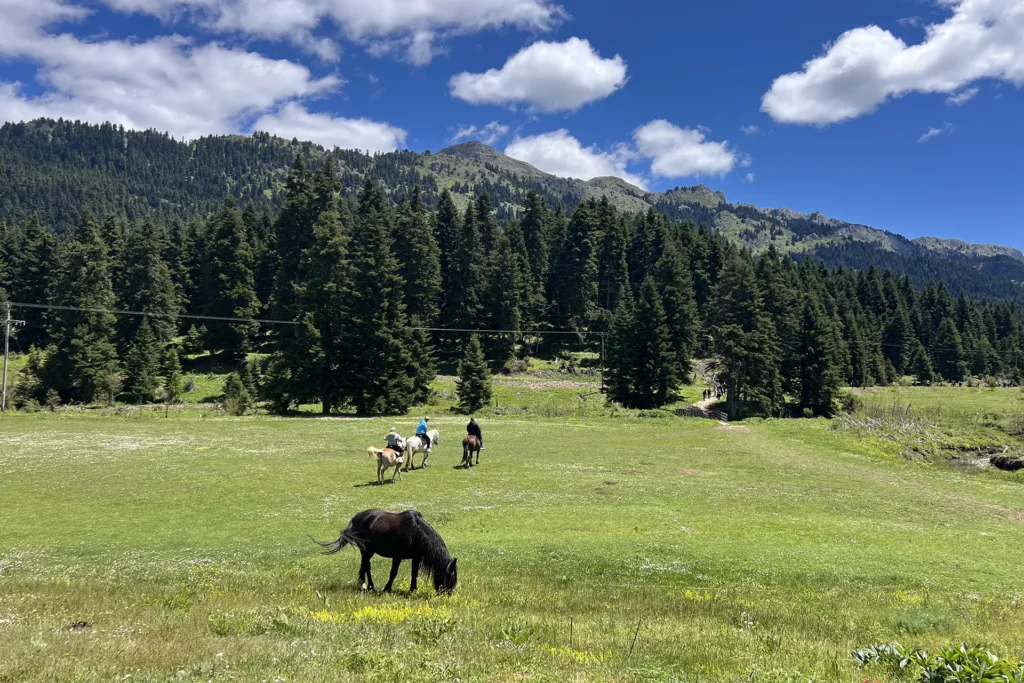
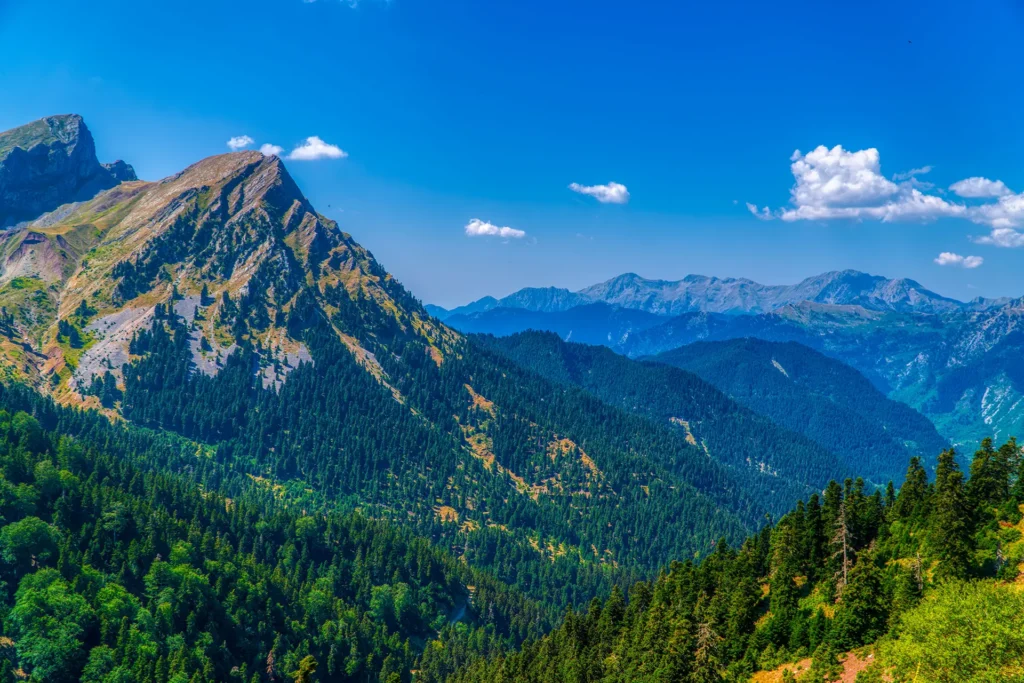
The mountains in summer.
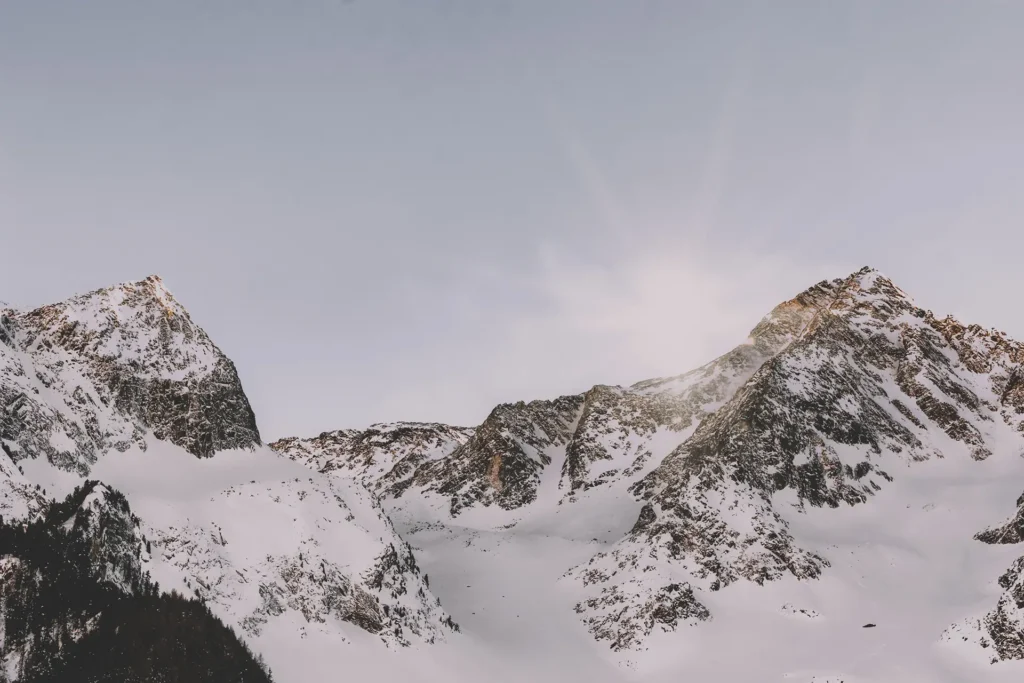
The plains in winter.
For generations, life in the villages of the Pindus was defined by movement. Families, livestock and entire communities followed the changing seasons, travelling between high mountain settlements in summer and lower pastures when winter approached. The mountains were not simply where people lived — they determined when they moved, how they worked and how communities remained connected across great distances.
These journeys followed networks of paths known as the Vlachostrates, routes that crossed forests, rivers and mountain passes long before modern roads reached the region. Some survive today as cobbled trails and historic crossings, reminders of a time when travelling through the Pindus meant moving on foot or with animals over journeys that could last for days.
This seasonal way of life helped shape the Vlach identity that remains closely associated with Pertouli, Neraidochori and the villages of Aspropotamos. Livestock farming, wool production, trade and forestry all developed around an intimate understanding of the mountain landscape and its seasons.
The journeys have changed, but the connection has not disappeared. Families still return to their mountain villages, old routes remain part of the landscape and summer continues to bring a remarkable transformation to settlements that spend much of the colder year in silence.
The Return
As winter loosened its grip on the mountains, the journey began again. Families and livestock moved gradually towards the higher pastures of the Pindus, following routes used by generations before them.
The return brought life back to villages that had remained quiet through the colder months. Houses reopened, grazing grounds became accessible again and another season in the mountains began.
The Villages Come Alive
Summer was the heart of life in the high country. Livestock grazed across mountain pastures, work moved outdoors and villages filled with families, neighbours and returning relatives.
That rhythm can still be felt today. Summer remains the season of village squares, festivals, music, shared meals and late evenings outdoors — when communities scattered throughout the year gather once again beneath the mountains.
The Journey Down
As temperatures fell and the first signs of winter returned, attention turned towards the road ahead.
Livestock and families traditionally began the long journey towards lower pastures, leaving the high villages behind before snow made the mountain routes difficult or impossible to cross.
The departure marked the end of another cycle — one that would begin again when spring returned.
The Quiet Mountains
Winter transformed both the landscape and village life. Snow covered the high passes, forests grew silent and many mountain settlements became almost empty.
Only a small number of residents traditionally remained through the coldest months. The villages waited beneath the snow while communities continued their lives at lower elevations, carrying with them the expectation of returning to the mountains once again.
Stories carried in voices.
Traditions carried in song.
Across the mountain villages of Pindus, identity has long been preserved through more than buildings and landscapes. Language, music, dance and communal gatherings have carried stories from one generation to the next, especially within communities shaped by Vlach heritage.
The Vlach, or Aromanian, language remains one of the clearest expressions of that identity. Although its everyday use has declined over time, it still survives within families, local expressions, village names and cultural memory, connecting present-day communities with a much older mountain world.
Music plays an equally important role. Traditional celebrations bring together singing, dancing and instruments associated with the region, while summer festivals continue to fill village squares with people returning from across Greece and abroad.
These gatherings are more than events on a calendar. They are moments when communities reconnect, when younger generations encounter traditions firsthand and when the social life of the villages becomes visible again.
Materials from the landscape.
Skills shaped by necessity.
Life in the mountains demanded practical knowledge. Wool had to be worked, food preserved, homes built to withstand harsh winters and everyday objects made to last. Many of these skills developed from the materials immediately available in the surrounding landscape.
Livestock farming supported traditions of wool processing, spinning and weaving, while timber from the forests and stone from the mountains shaped houses, roofs, bridges and agricultural structures. Household textiles, clothing and handmade tools became part of both daily life and local identity.
The architecture of the region reflects the same logic. Thick stone walls, steep roofs, timber elements and compact village layouts were responses to altitude, weather and terrain long before they became recognised as part of a distinctive mountain aesthetic.
Museums and private collections across the wider region preserve looms, textiles, clothing, farming tools and domestic objects from earlier generations. But the most important legacy is not the objects themselves — it is the knowledge they represent: how to build, make, repair and live with what the mountains provided.
Faith within the villages.
Landmarks across the landscape.
Churches, monasteries and small chapels are woven deeply into the mountain landscape. Some stand at the centre of village life, while others appear alone beside forest roads, rivers or high pastures, marking places of memory, pilgrimage and gathering.
In settlements where communities were often dispersed by seasonal movement, religious landmarks became important points of continuity. Feast days brought families back together, while churches and monasteries offered shared places of worship and identity across generations.
The wider region contains remarkable examples of this heritage. Porta Panagia near Pyli preserves one of the area’s most important Byzantine monuments, while the Church of the Holy Cross at Doliana stands out for its extraordinary multi-domed architecture and secluded forest setting.
Smaller chapels are just as characteristic of the landscape. Found beside trails, on ridges and at the edge of villages, they reveal how closely faith, place and everyday life became connected in the mountains.
These landmarks are not separate from the story of the region. They are part of the routes people followed, the communities they built and the traditions they continued to return to.
The world has changed.
The connection remains.
The old seasonal journeys no longer define everyday life as they once did. Roads have replaced many of the mountain paths, professions have changed and communities now extend far beyond the villages where their stories began.
Yet every summer, the mountains reveal how strong those connections remain. Families return, village squares fill again and celebrations bring together people whose lives may now be lived many kilometres apart. Music, food, language and shared memories continue to connect generations to the same landscapes.
Tradition here is not something preserved behind glass. It survives because people continue to return to it, reinterpret it and carry parts of it forward.
The mountains may no longer dictate every journey.
But they still give people a reason to come home.
Go beyond the guidebook and
discover Pertouli.
Explore carefully written travel guides, local stories, hidden routes and expert recommendations. Find inspiration for your next journey and discover more of the landscape before you arrive.